
Transvulcania 2026 Preview
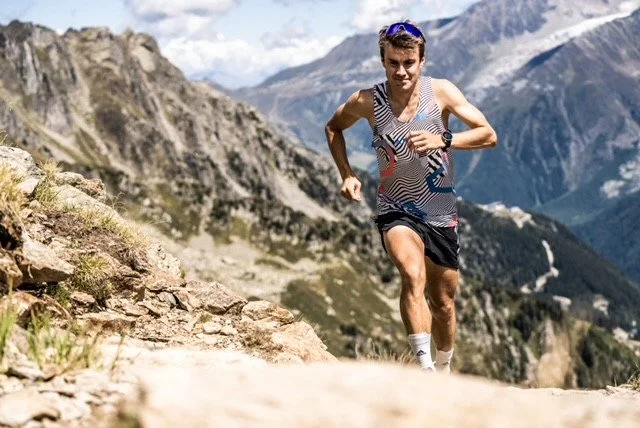
Form, experience — and one big question mark
On paper, Petter Engdahl might be the most complete runner in the race. He’s already proven here — a win, another podium — and when he’s on, he tends to control races rather than react to them.
But this time the context is different. Boston Marathon sits close behind him, and even if the legs feel good, Transvulcania asks something entirely different. It’s not just about fitness — it’s about how much of that effort is still sitting in the body when the climbing really starts to bite.
If Engdahl is fresh, he likely shapes the race. If not, it opens up quickly.
Because there are plenty waiting.
Luis Alberto Hernando doesn’t need introducing here. Few understand this course better, and even now, he tends to show up when it matters. He won’t force anything early — he rarely does — but if the race starts coming back late, he’s exactly the kind of runner who moves through it.
Then there’s Nadir Maguet, who feels almost built for the first half of this course. Pure climbing strength, efficient movement uphill — if the pace goes hard early, he’ll be comfortable there.
Andreas Reiterer sits somewhere in between. Not as explosive, maybe, but consistent in a way that tends to matter more the longer these races go. He’s been around the front of big mountain races enough to know how quickly things can unravel.
Behind them, it doesn’t take much for the race to shift. A few minutes lost, a bit of heat, one bad section — and suddenly names like David Sinclair, Ben Dhiman or Matt Daniels are back in it without having done anything dramatic.
That’s usually how Transvulcania plays out.
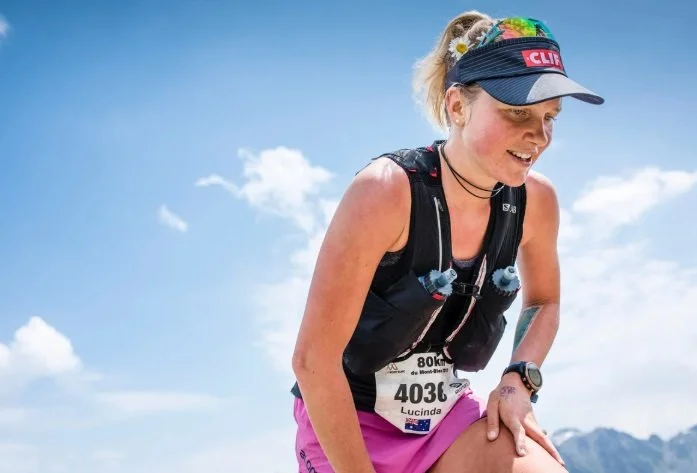
Lucy Bartholomew - Suunto
The women’s race feels just as open, just in a quieter way.
Emelie Forsberg returning to La Palma is one of those storylines that carries weight on its own. She’s won here before, she knows exactly how to move on this terrain, and more than anything, she understands the rhythm of the race — when to push, when to hold back.
Around her, there’s a mix of strength and patience.
Blandine L'Hirondel brings that ability to stay close without overextending, and she’s one of those runners who tends to look better the deeper a race goes. Ekaterina Mityaeva has that same sense of control — rarely spectacular early, but often still there when others aren’t.
The Spanish contingent, with Azara García and Mireia Pons, adds something different. Familiarity with the terrain, the climate, the way the race unfolds — it’s not something you notice early, but it shows up later.
And then you have runners like Lucy Bartholomew, who tend to race by feel more than structure. In a race like this, that can either unravel quickly — or put you exactly where you need to be late on.
