
Broken Arrow Delivers Big Names, Tight Racing And Another Step Forward For Trail Running’s California Showpiece
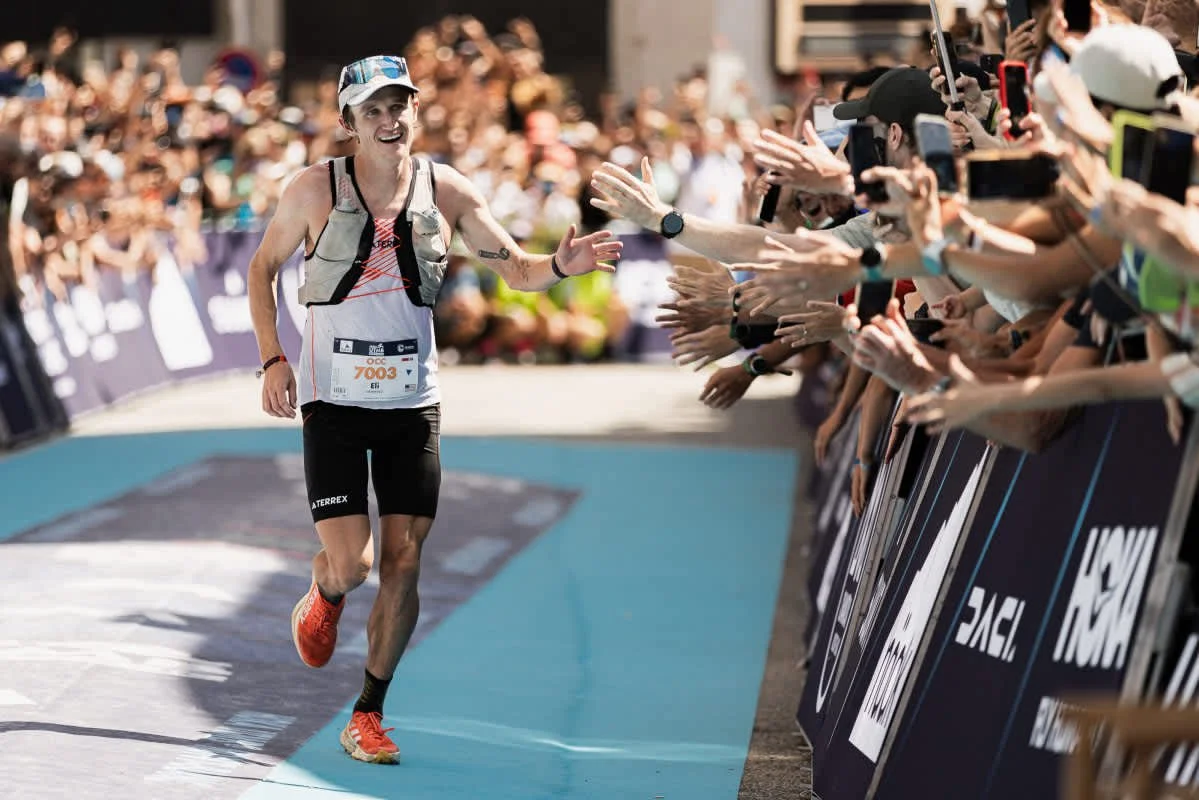
Eli Hemming UTMB
Broken Arrow once again looked like one of the most important weekends on the trail running calendar.
Set against the backdrop of Palisades Tahoe, the California event combined deep international fields, a six-figure prize purse and two of the weekend’s strongest mountain races in the Broken Arrow 23K and 46K. By the time the dust settled, the results had delivered both familiar names and a few standout performances that will carry momentum into the rest of the summer.
Kiriago edges Elhousine in stacked 23K
The headline race of the weekend was the Broken Arrow 23K, and it delivered one of the tighter finishes of the Golden Trail World Series season so far.
Kenya’s Philemon Kiriago took the win in 1:42:59, narrowly holding off Elhousine Elazzaoui by just 13 seconds after the Moroccan arrived in California as one of the sport’s hottest names following his Zegama victory. Patrick Kipngeno made it two Kenyans on the podium, finishing third in 1:44:34.
The result underlined how strong the men’s field was from front to back. Mexico’s Brayan Rodríguez Flores finished fourth, while Americans Taylor Stack and Mason Coppi rounded out the top six in a race that once again looked more like a mid-season championship than a standard stop on the calendar.
On the women’s side, Madalina Florea continued her rise with victory in 2:02:18, beating Lauren Gregory and former champion Joyce Njeru in one of the deepest women’s fields of the weekend. The top six also included Tabor Hemming, Nienke Brinkman and Anna Gibson, giving the women’s race a similarly international feel.
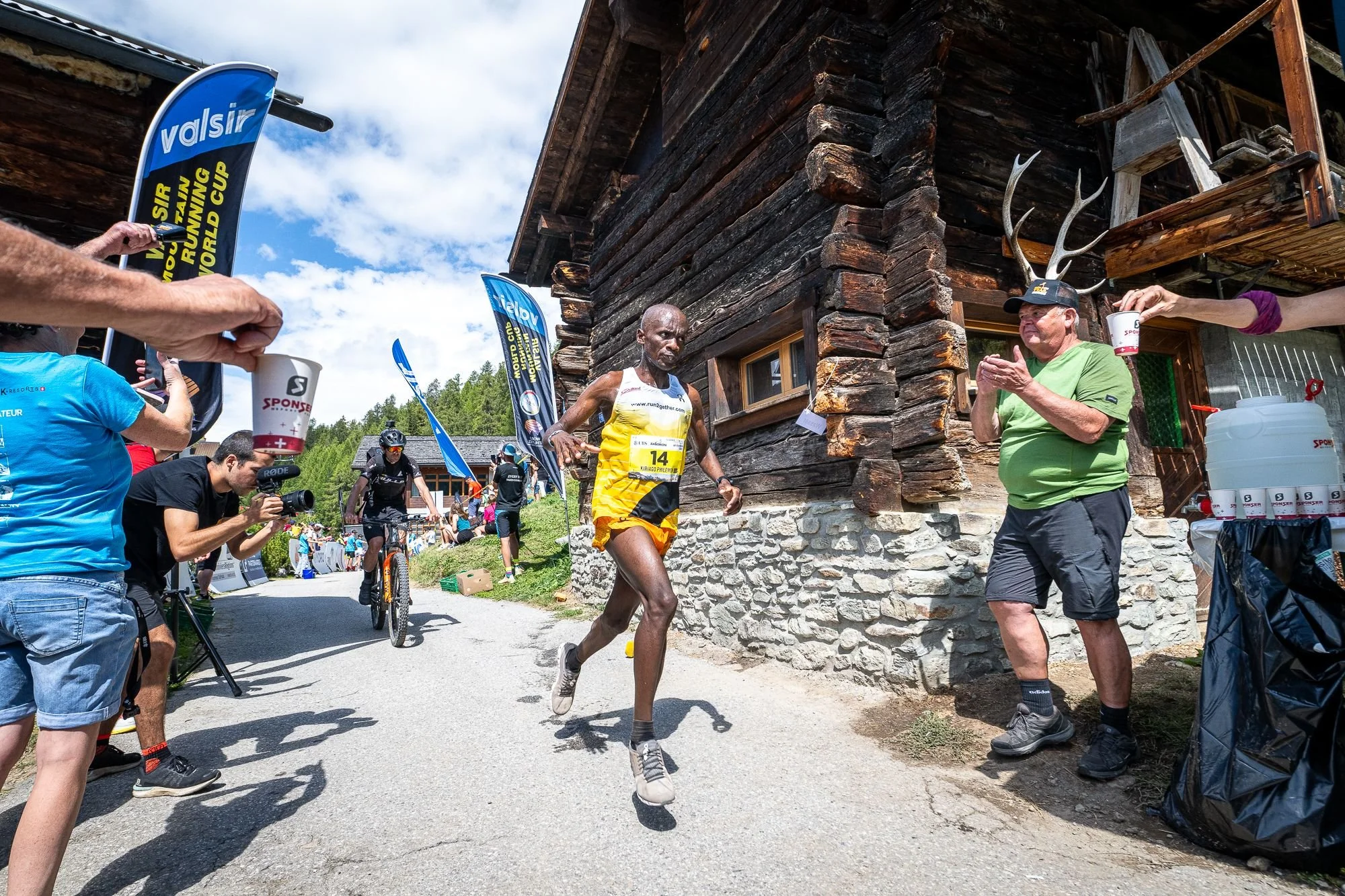
Philemon Kiriago for World Athletics
Eli Hemming controls the 46K
If the 23K was about speed and depth, the 46K offered a slightly different test — longer, rougher and more attritional.
That played perfectly into the hands of Eli Hemming, who took the win in 3:58:01 to add another major Broken Arrow result to his résumé. Hemming has already built a reputation as one of the most reliable performers on steep American mountain terrain, and Saturday’s run only reinforced it.
Behind him, Noah Williams finished second in 4:09:02, with Cole Campbell third in 4:09:27. The men’s top 10 also featured Chad Hall, Koken Ogasawara, Noam Franchi, Forrest Barton and Grant Barnette, reflecting the depth of the domestic and international field.
The women’s race went to Daniella Moreno in 4:48:48, with Sarah Carter second in 4:52:33. It was a strong result in a field that also included names such as Alyssa Clark, Jessie Diggins and Kim Schreiber, all of whom added extra interest to the longer-distance start list even if the podium battle itself ultimately went in another direction.
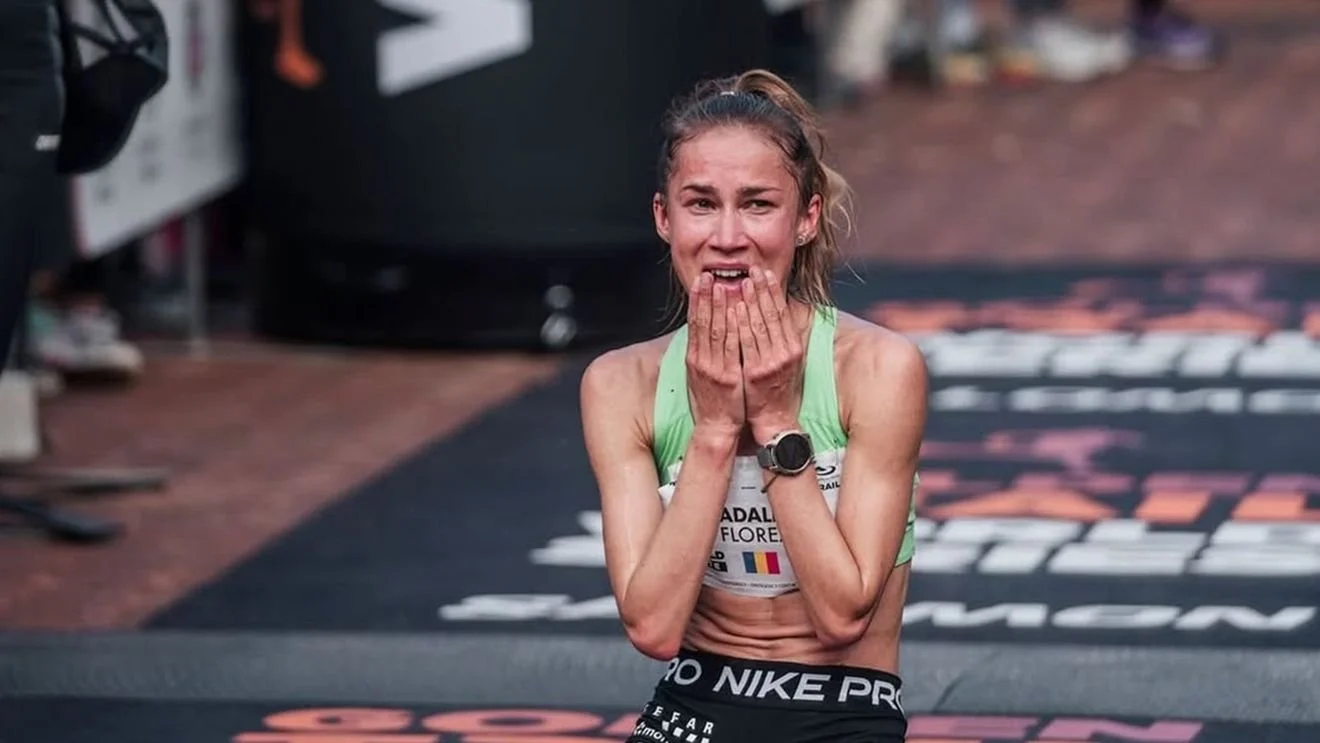
Madelina Florea
More than just another Golden Trail stop
Broken Arrow’s rise has been one of the more notable developments in North American trail running over the last few years.
What was once primarily a respected mountain race has become a much broader event: a Golden Trail World Series stop, a weekend with meaningful prize money, and an increasingly important meeting point for elite trail runners, crossover endurance athletes and brands. The presence of names such as Olympic cross-country skiing star Jessie Diggins alongside Golden Trail regulars only reinforced that point this year.
The racing itself justified the attention. The 23K produced one of the season’s better short-course battles, while the 46K once again showed that Broken Arrow’s longer race can stand on its own as a serious mountain-running test.
Taken together, the weekend felt like a useful snapshot of where trail running currently sits: deeper international competition, stronger women’s fields, bigger commercial backing and a growing ability to draw athletes from well beyond the sport’s traditional core.
Broken Arrow is still a race weekend first. But it is increasingly becoming something else too — one of the clearest indicators of where mountain running is heading.
