
Western States 2026: Five Storylines Defining This Year’s Race
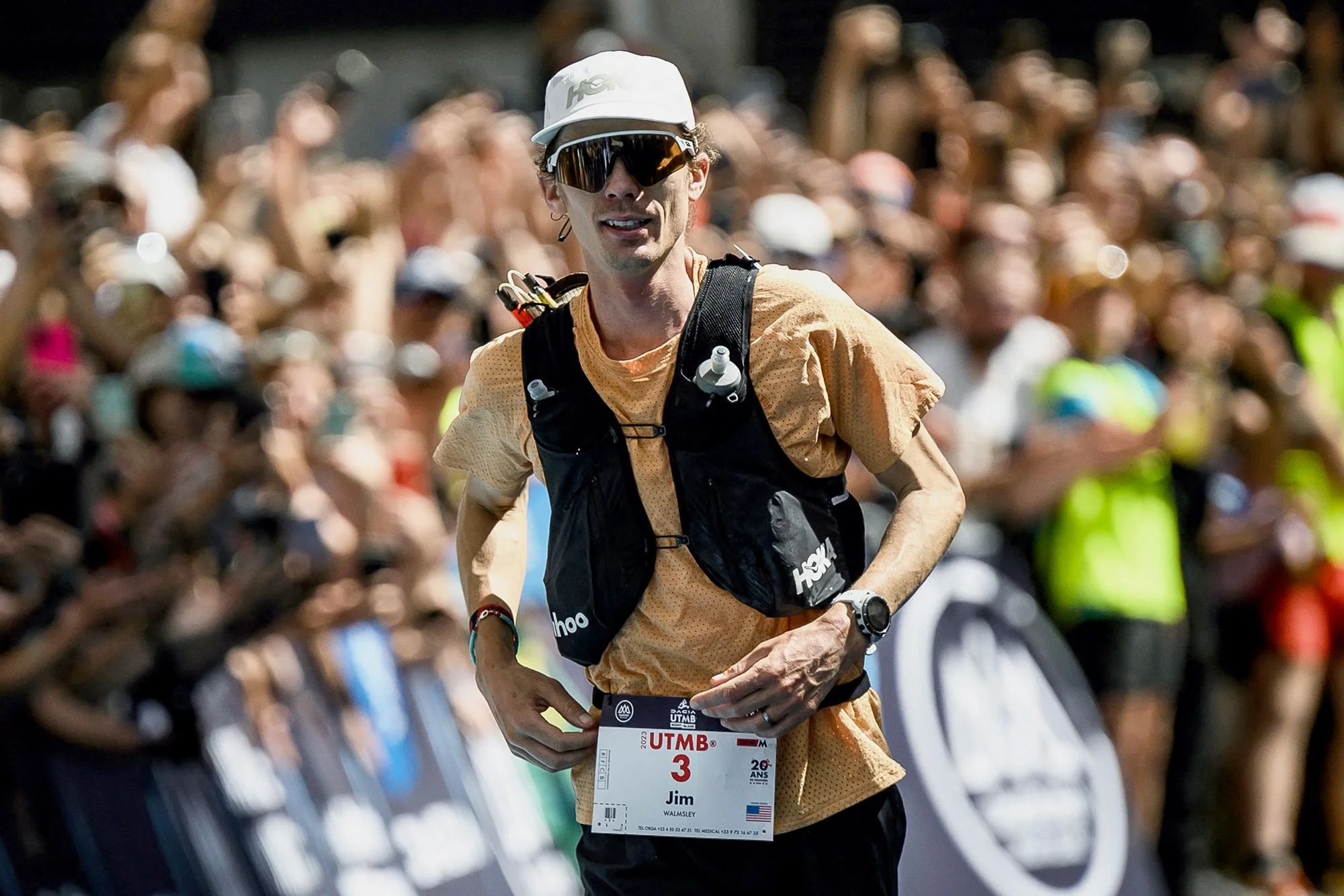
Jim Walmsley UTMB
Western States rarely needs help generating attention, but this year’s edition arrives with more intrigue than usual.
The obvious headline is Jim Walmsley versus Kilian Jornet, a matchup that still carries more weight than almost anything else in trail running. But framing the 2026 race as a simple two-man showdown misses the bigger picture. This is one of the deepest fields Western States has assembled in years, and it arrives at a moment when the men’s race, the women’s race and the wider shape of the sport all feel unusually open.
With race day approaching, these are the five storylines that matter most.
1. Walmsley vs Jornet is still the headline — but it’s a different version of the rivalry
Western States 2026 was always going to get attention the moment both Jim Walmsley and Kilian Jornet appeared on the start list.
Walmsley remains the defining modern figure at Western States, with four wins and the course record to his name. Jornet, meanwhile, returned to the race last year and finished third in 14:19, a reminder that even after years away from the event, he could still contend on one of the fastest 100-mile courses in the world.
On paper, it is the matchup trail running has wanted for years: the course specialist against the sport’s most decorated all-round mountain runner.
But the context matters. This is not simply “peak Walmsley versus peak Kilian.” Walmsley returns after an interrupted 2025 season and a late route back onto the start list. Jornet arrives after admitting that his build has been less than ideal following a knee issue and time away from running after Zegama. In his own words, racing Western States this year is “a bit of a gamble.”
That uncertainty makes the rivalry more interesting, not less. Both men remain capable of winning. Neither arrives with a completely straightforward build.
2. Kilian’s fitness may be the single biggest variable in the race
If there is one story that could shape the entire men’s race, it is the question of what version of Kilian Jornet shows up in Olympic Valley.
Jornet has already confirmed he will race despite losing several weeks of running after Zegama and dealing with a knee issue that required an MRI. He has been clear that the preparation has not been ideal, but equally clear that he still wants to take the start.
That creates a fascinating layer to the race.
If Jornet is healthy enough to run near his usual level, he is one of the few athletes in the sport with the range, efficiency and race intelligence to beat Walmsley at Western States. If he is not, the men’s race opens up immediately.
The key point is that Jornet is no longer just a favorite. He is also the biggest unknown in the field.
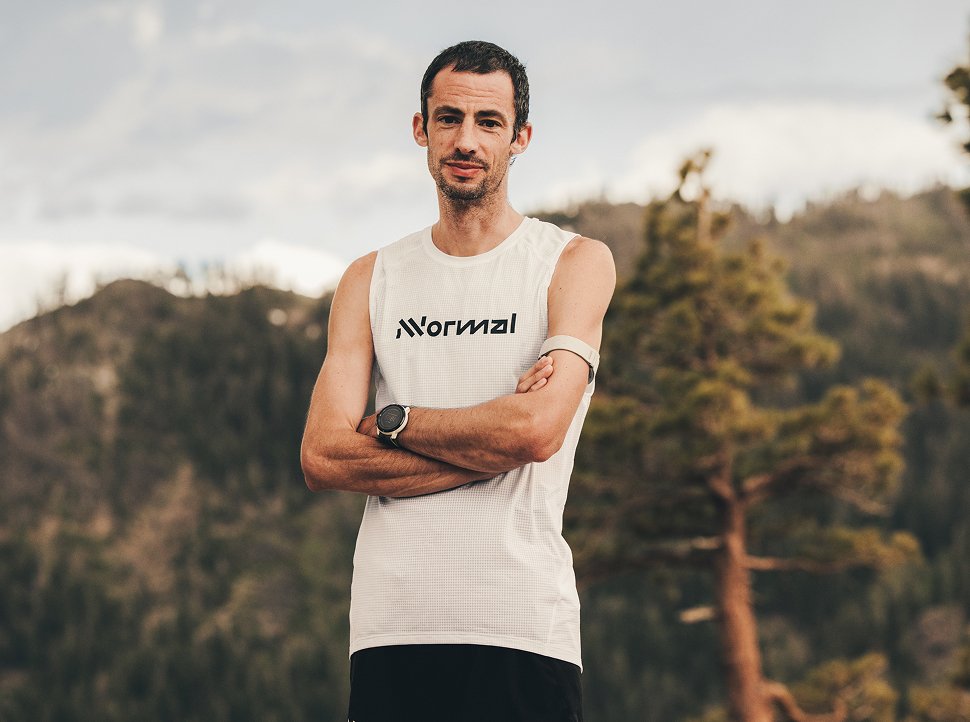
Kilian Jornet for Coros
3. The men’s race is much deeper than the top two names
Walmsley and Jornet will dominate most of the pre-race discussion, but one of the clearest signs of how strong this year’s Western States field has become is the depth sitting behind them.
Hans Troyer enters after a breakthrough win at Black Canyon and looks increasingly ready for a major 100-mile result. Daniel Jones has already shown he can handle hot, runnable ultras at a high level. Jeff Mogavero, Ryan Montgomery and Hiroki Kai all have the résumé to turn this into more than a two-man race if things begin to unravel up front.
Then there is the Golden Ticket generation of contenders and the European names who bring a slightly different type of intrigue to States. Francesco Puppi, Thomas Cardin and Vincent Bouillard all add depth and uncertainty to the front of the race, while athletes like Adam Peterman, Hayden Hawks and Zach Miller ensure there will be no shortage of aggressive early racing if conditions allow it.
That is what makes the men’s race interesting this year. It has a clear headline, but it does not have a simple script.
4. The women’s race may be the most competitive of the summer
If the men’s race has the marquee names, the women’s race may be the deeper contest from top to bottom.
Defending champion Abby Hall returns after one of the best performances of her career in 2025, but she will not have much room to operate. Fu-Zhao Xiang remains one of the most consistent 100-mile runners in the world and has become a fixture near the front of major ultras. Jennifer Lichter enters after a major spring breakthrough, while Riley Brady, Tara Dower, Yngvild Kaspersen, Anna Tarasova and Lotti Brinks give the field genuine international depth.
There is also a broader trend sitting behind the women’s race this year. Over the past two months, some of the biggest results in trail running have come from women — from Rachel Entrekin’s outright win at Cocodona to Tove Alexandersson’s record at Zegama. Western States arrives at a moment when the women’s field is not just strong in isolation; it is helping drive the wider narrative of the sport.
That makes this race more than a battle for the women’s title. It makes it one of the central stories of the entire weekend.
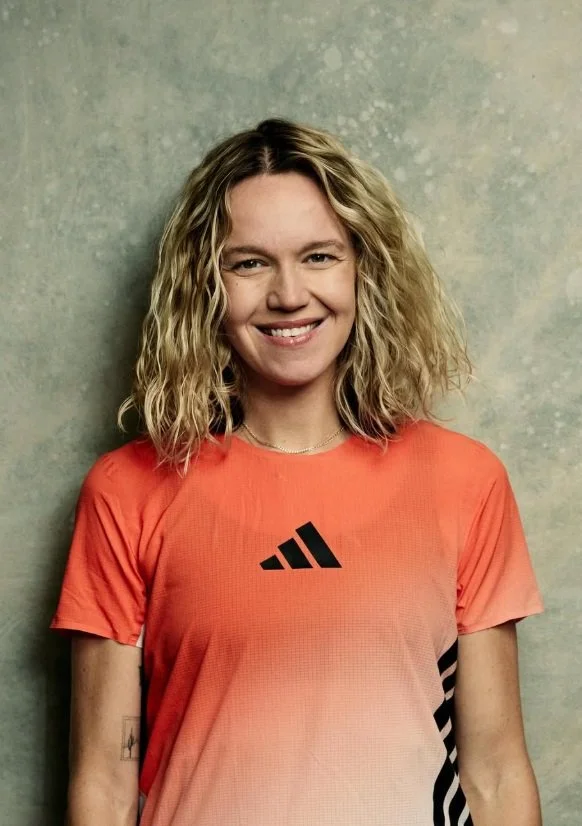
Abby Hall Adidas
5. Western States still sets the tone for the rest of the season
There are bigger mountains elsewhere on the calendar. There are more technical races, colder races and races with more vertical gain. But there is still no event that concentrates the sport’s attention quite like Western States.
Part of that is history. Part of it is the heat, the pace and the way the course rewards both aggression and restraint. But part of it is simply timing. By late June, Western States has become a mid-season checkpoint for the sport itself. It tells us which athletes are in form, which storylines still matter, and which names are likely to shape the rest of the summer.
That is especially true in 2026.
If Walmsley wins again, the legacy conversation gets louder. If Jornet wins despite an interrupted build, it becomes one of the biggest stories of the season. If the men’s race blows apart behind them, or the women’s race produces a breakout performance, Western States will again do what it usually does best: give the sport a new reference point.
And that may be the simplest reason this year’s race feels so significant. Not because it needs extra mythology, but because the field is good enough to shift the conversation no matter who wins.
