EcoTrail Trondheim: A Good First Run
Foto: Mathias J. Vinje / Ecotrail Trondheim @ecotrailnorge
Click here if you also want to read our detailed preview of the Ecotrail 33km course.
Trondheim got a new trail race this summer.
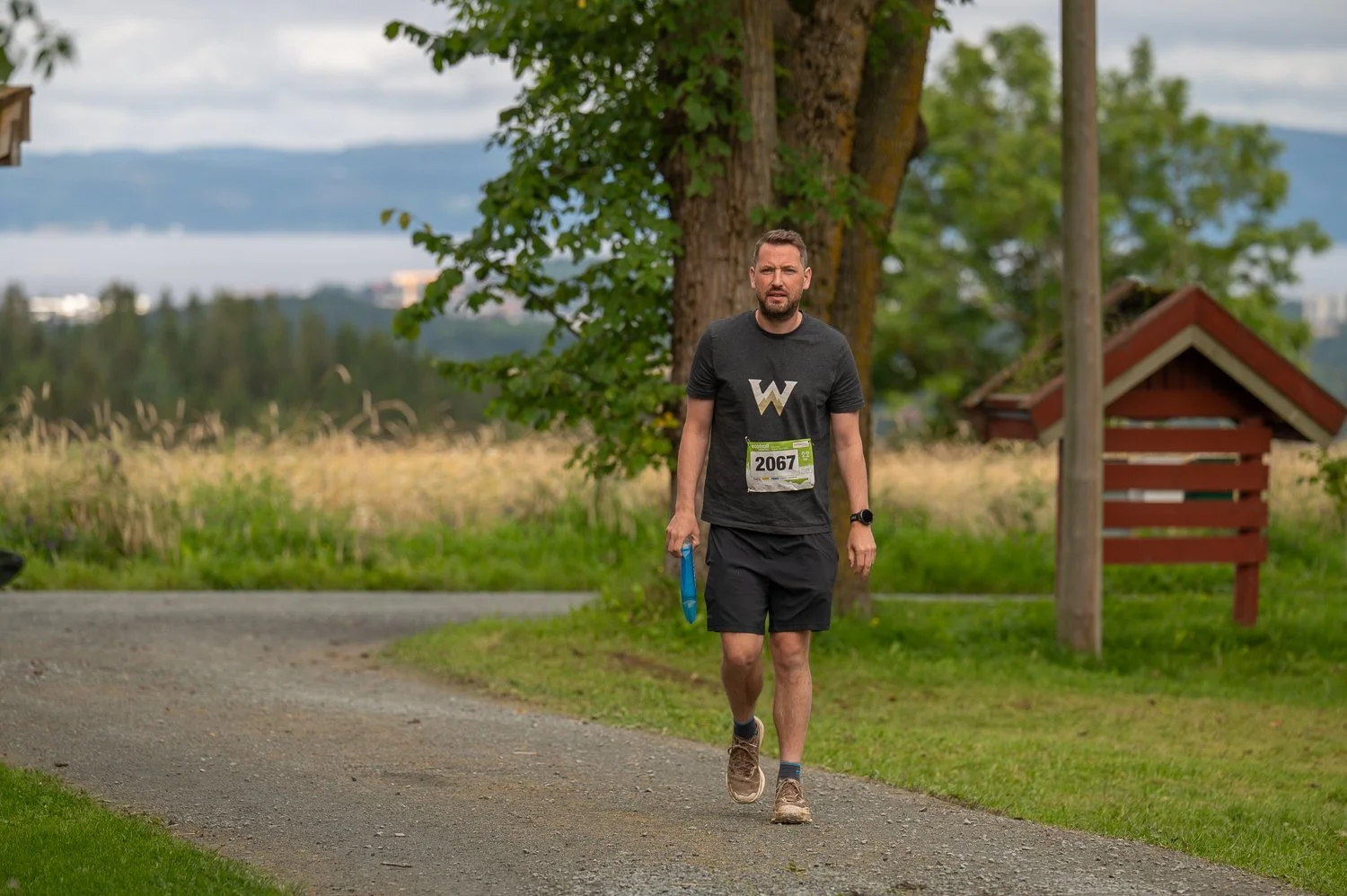
On August 22, the first edition of EcoTrail Trondheim took runners from the city and out into the trails surrounding it, before bringing them back again. The event is part of the larger EcoTrail concept, which has already established races in cities including Oslo, Paris and several other locations around the world.
We were there for the first Trondheim edition, and we ran it ourselves.
I was actually supposed to run the 80K. After 73 kilometres at Jotunheimen Trail Run on July 31, however, the idea of lining up for another long day on the trails a few weeks later felt slightly ambitious. More than anything, I was probably a little mentally empty after Jotunheimen.
So I switched to the 22K.
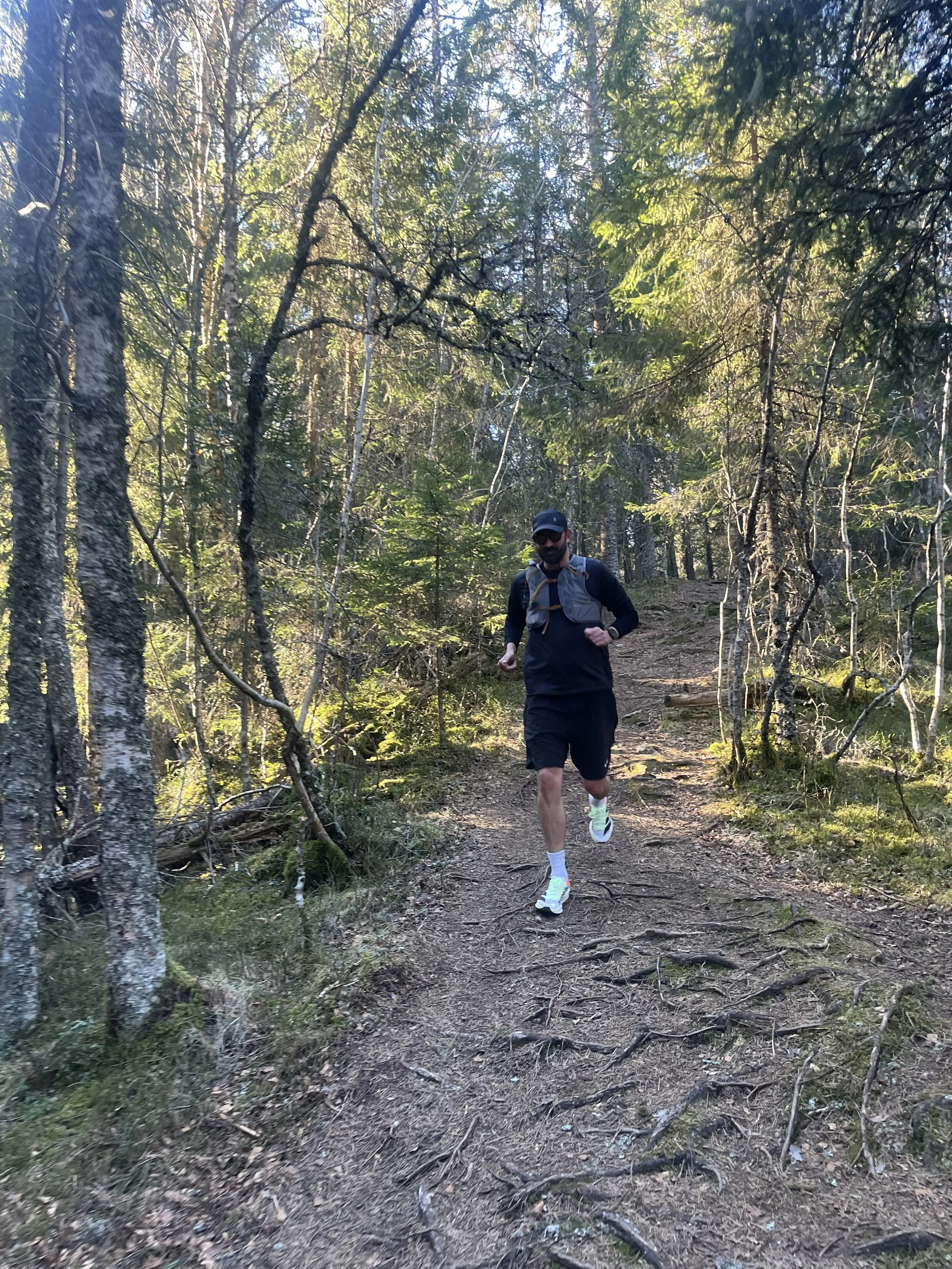
It turned out to be a pretty good decision. I managed to finish third, while getting a chance to experience the race without spending most of the day wondering why I had signed up for another 80 kilometres.
A race built around Trondheim
The idea behind EcoTrail is fairly simple. Start close to the city, get runners out onto the trails, and eventually bring them back into the same city again.
That works particularly well in Trondheim.
The city has plenty of accessible trail terrain, and the longer courses make good use of it. The 80K route starts at Havet Arena and heads towards Bymarka, passing areas around Våttåkammen, Geitfjellet and Gråkallen before continuing through more forest and trail sections towards Estenstadsmarka and eventually back towards the city.
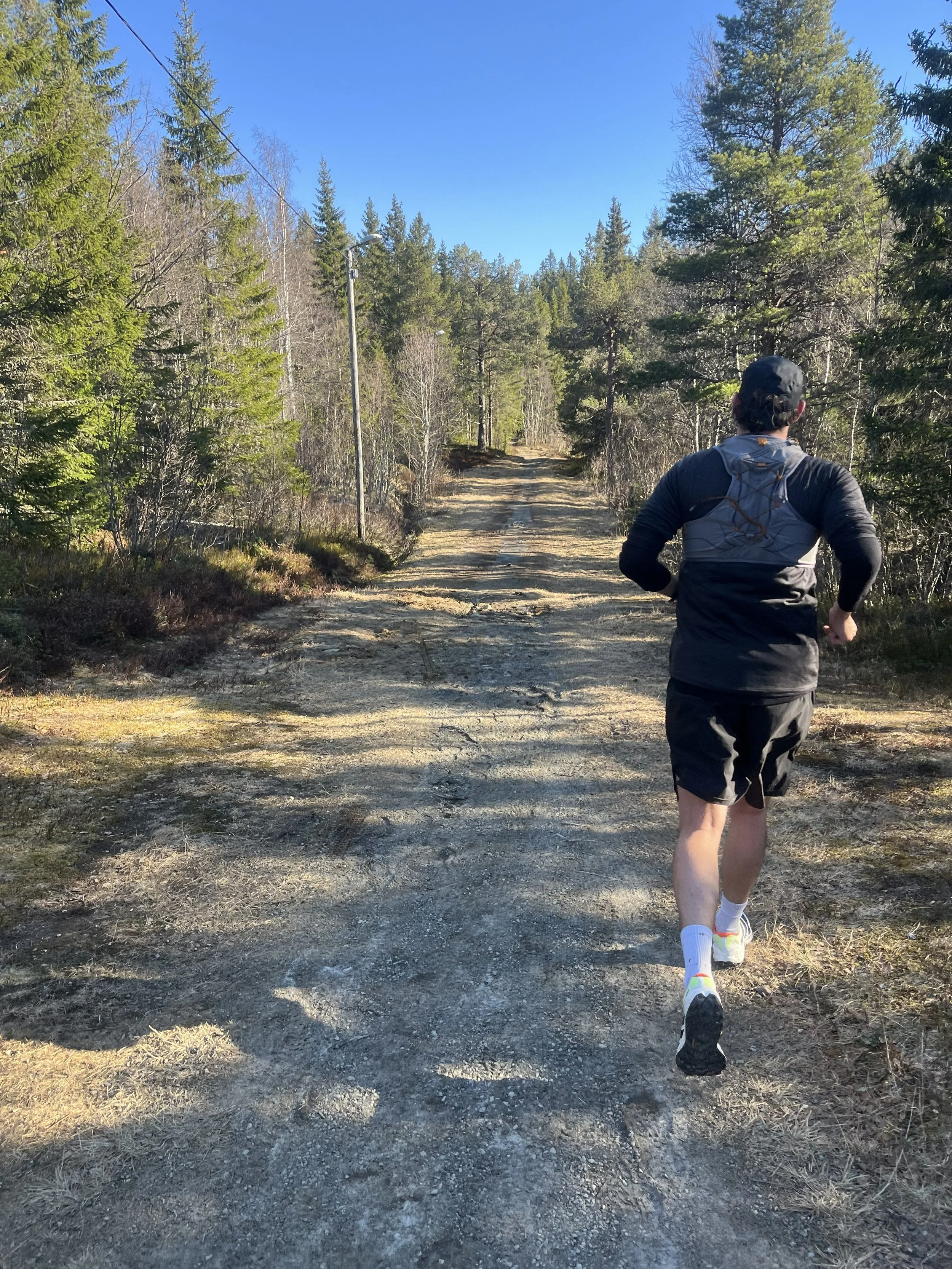
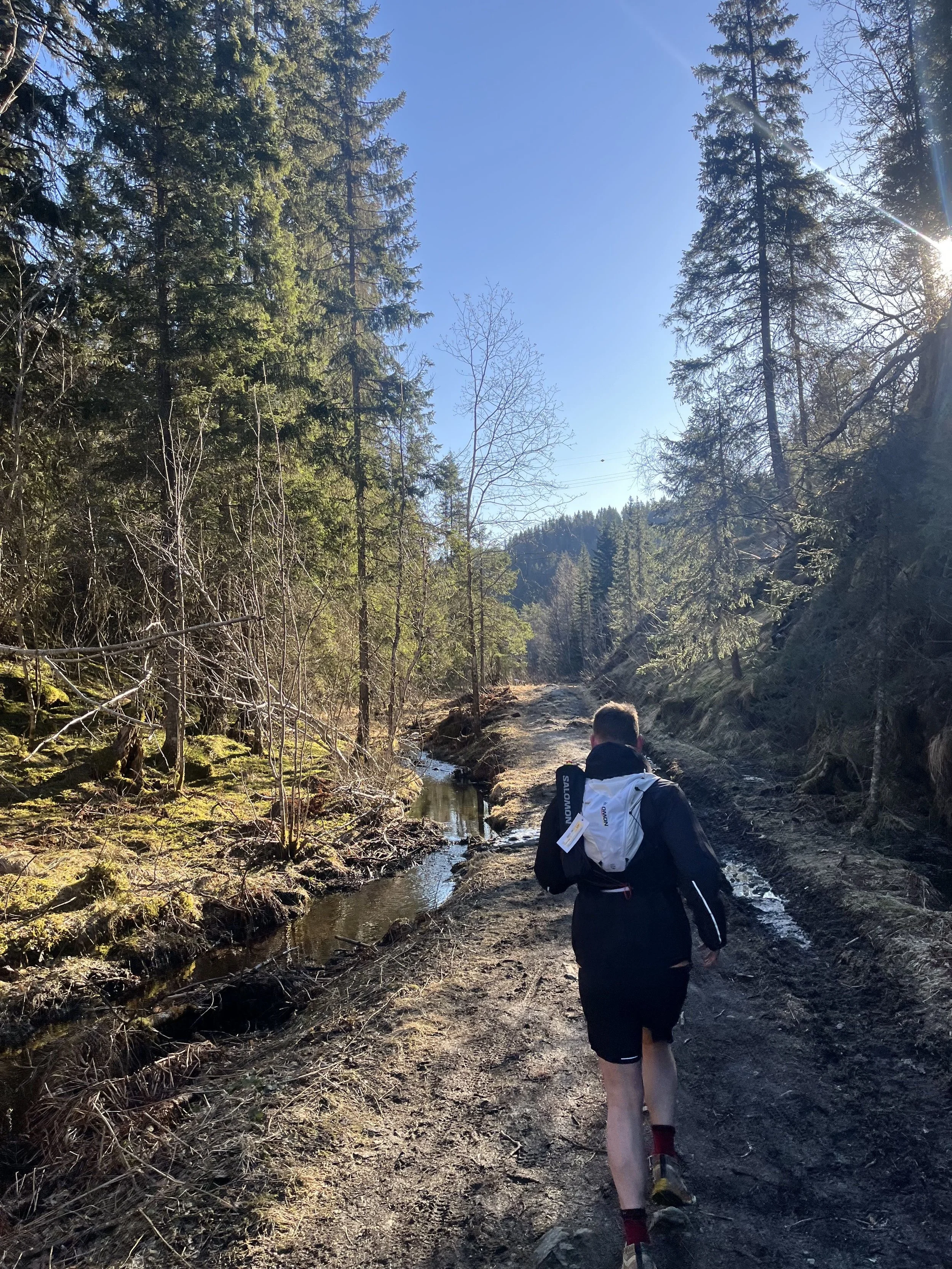
You get a bit of everything along the way. Forest trails, gravel, climbs, more technical sections and some faster running. There are also sections where you are reminded that this is a city race, with roads and built-up areas appearing between the trails.
That variety is one of the strengths of the course.
It doesn't try to turn Trondheim into something it isn't. There are no huge mountain passes or endless alpine ridges. Instead, the race makes use of the terrain that is actually there, and there is plenty of it.
The 22K gives a shorter version of the same experience. It is long enough to feel like a proper trail race, but short enough that you can push the pace and still have some legs left at the finish.
The women had a very good day
One of the more interesting details from the first edition was the performance of the women on the longer distances.
Anne Mjelva won the 80K overall, finishing ahead of the entire field. It was also a familiar position for her within the EcoTrail series, having won the women's 80K at EcoTrail Paris.
The same thing happened on the 50K, where a woman also took the overall victory.
It is not something that necessarily defines the race, but it was a nice detail from the first edition and says something about the depth of the fields across the longer distances.
It felt more established than expected
For a first edition, the organisation felt surprisingly well put together.
That probably has something to do with the experience behind the EcoTrail Oslo race. There was a sense that the people running the event already knew what needed to happen around a trail race, from the start and aid stations to the finish area.
The volunteers were friendly and engaged throughout the day, and the general atmosphere was one of the things we enjoyed most.
Trail races tend to have their own kind of social atmosphere anyway, but there was a particularly relaxed feeling around EcoTrail Trondheim. Runners were easy to talk to, volunteers were happy to chat, and there was plenty of encouragement along the course.
Those things don't show up in a result list, but they make a difference when you're actually out there running.
Trondheim is a good fit
After spending time on the course, it is easy to see why Trondheim works for this format.
You don't have to travel far from the city before you're properly out on the trails, and the surrounding terrain offers enough variation to build everything from a relatively short 11K race to an 80K ultra.
The longer distances also give runners who normally race in the mountains a different kind of challenge. The climbs are shorter, the terrain is more runnable and there are more opportunities to settle into a rhythm.
For local runners, there is another obvious benefit: you get to race on trails that are normally part of everyday training.
That gives the event a slightly different character from a destination trail race where almost everything is new.
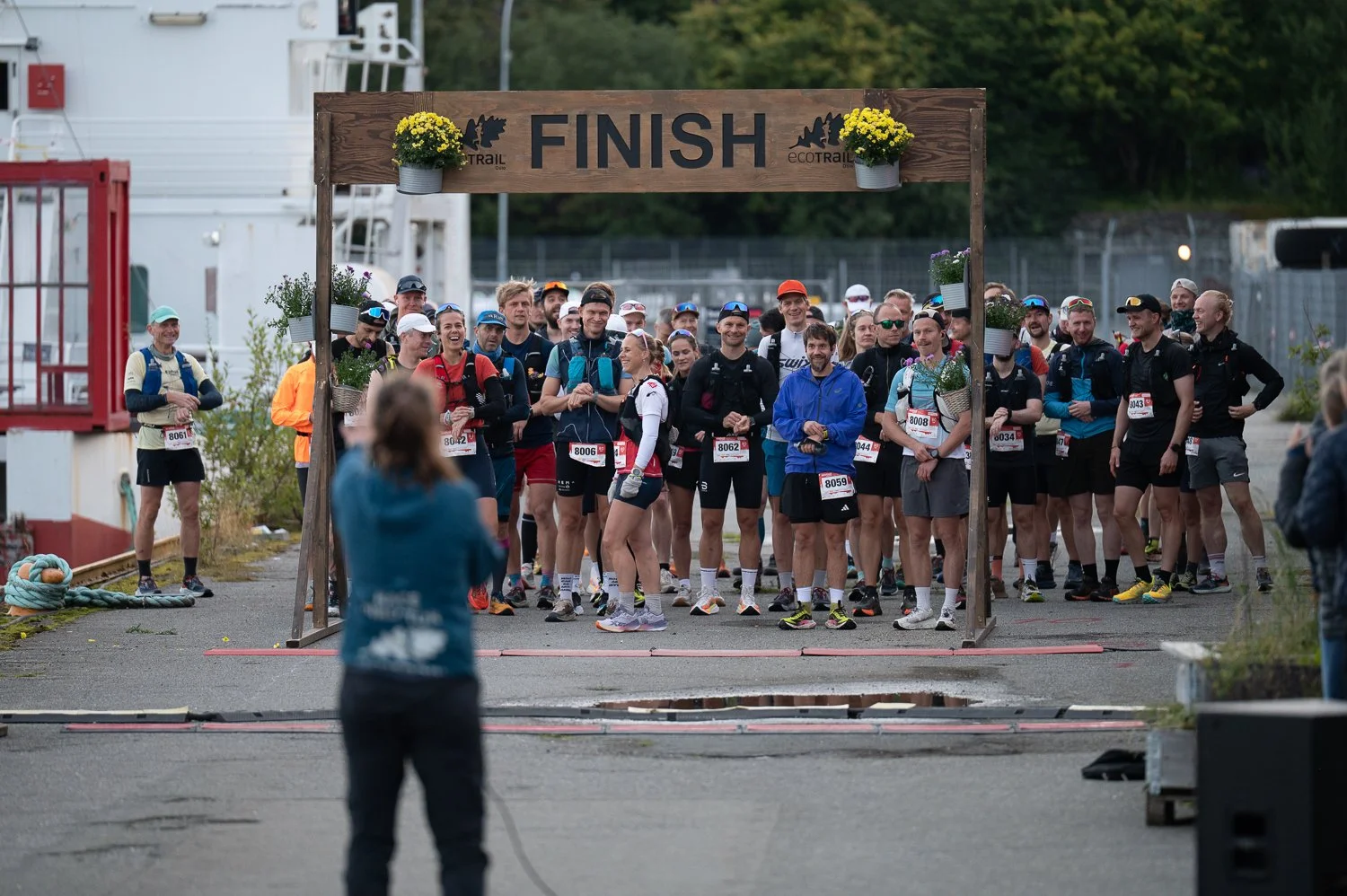
Foto: Mathias J. Vinje / Ecotrail Trondheim @ecotrailnorge
A good start
There will always be things to adjust after a first edition. Some sections of the course will probably change, and there is always room to improve the small details that only become obvious once hundreds of runners have gone through an event.
But the important parts were already there.
The course is good. The atmosphere is good. The organisation works, and the EcoTrail format makes sense in Trondheim.
There is already a new edition planned for August next year, which is good news.
We went into the first EcoTrail Trondheim expecting a new race to find its feet. Instead, it felt like an event that already had a pretty good idea of what it wanted to be.
We'll be back.