From Outsider To Favourite: How Western States Changed Vincent Bouillard's Legacy
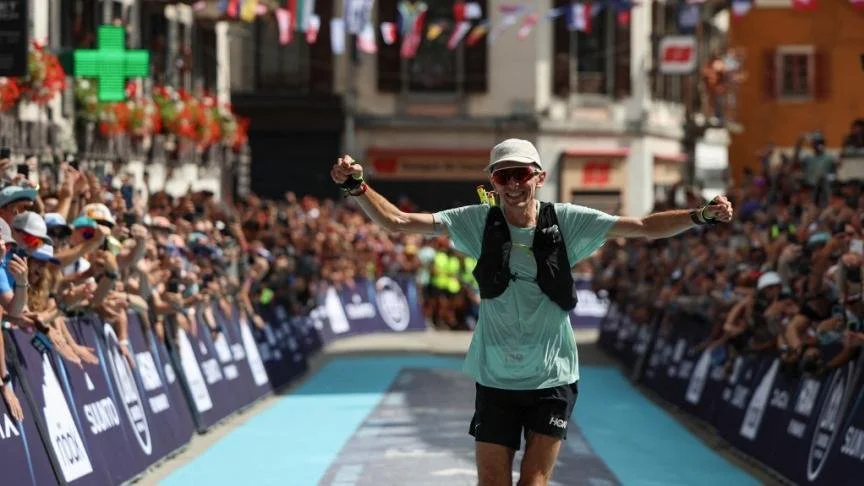
Vincent Bouillard UTMB
Less than two years after winning UTMB, Vincent Bouillard arrived at Western States facing a different kind of challenge.
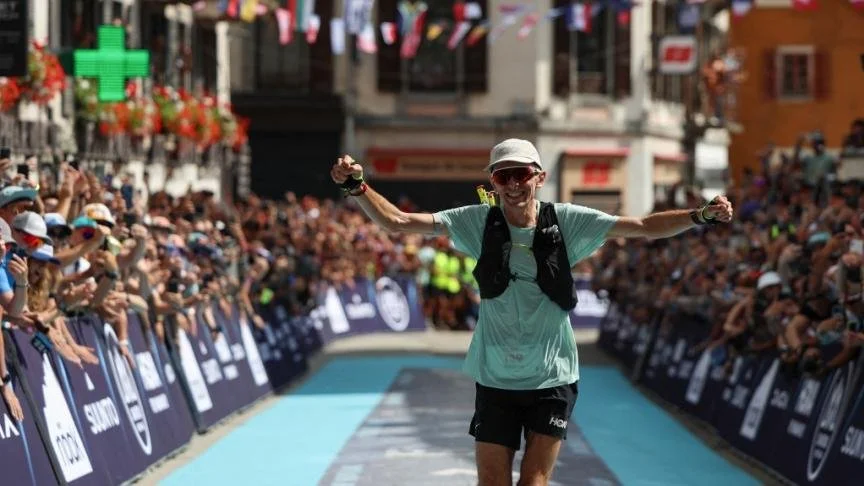
When Vincent Bouillard won UTMB in 2024, the reaction was unusual.
His performance in Chamonix was impossible to ignore, but much of the discussion that followed focused less on the run itself and more on the circumstances surrounding it. Several of the pre-race favourites faltered, the race unfolded in an unpredictable way, and Bouillard—a relatively unknown name outside dedicated trail running circles—found himself standing on the sport's biggest stage.
For some, it was one of the great breakthrough victories.
For others, the question was whether he could repeat it.
That conversation followed him into Western States.
The oldest 100-mile trail race in the world presents a completely different challenge to UTMB. Instead of long Alpine climbs and technical descents, Western States rewards patience, efficient pacing and the ability to run fast after more than 10 hours on the move. Winning both races requires two very different skill sets.
On Saturday, Bouillard showed he possesses both.
A Race Built On Patience
For much of the day, Vincent Bouillard wasn't leading.
Hans Troyer dictated the early pace, opening a sizeable gap over one of the deepest fields Western States has assembled in years. His aggressive approach immediately stretched the race and forced the favourites to decide whether to respond.
They didn't.
Francesco Puppi remained within striking distance, Ryan Montgomery quietly moved through the field, while Bouillard settled into a controlled rhythm several minutes behind the leader.
It was a measured approach on a course where patience often matters more than raw speed.
As temperatures rose and fatigue accumulated, the complexion of the race began to change.
Troyer's ambitious pace eventually caught up with him, ending one of the race's defining storylines before the finish. Puppi inherited the lead and looked increasingly likely to secure the biggest victory of his career.
Then, inside the final 10 miles, Bouillard moved to the front.
There was no dramatic surge. No decisive attack designed for highlight reels.
Instead, it was the culmination of nearly 14 hours of disciplined execution.
Bouillard crossed the finish line in 13:46:15, less than five minutes ahead of Puppi, with Ryan Montgomery completing the podium after another remarkably consistent championship performance.
More Than Another Major Victory
Winning Western States is significant on its own.
Winning it less than two years after claiming UTMB changes how Bouillard is viewed within the sport.
The two races demand very different qualities. UTMB rewards climbing ability, technical descending and mountain experience. Western States places greater emphasis on efficiency, restraint and sustained speed across one of the fastest 100-mile courses in the world.
Few athletes have demonstrated the ability to win both.
That versatility is what separates Bouillard's résumé from many of his contemporaries.
It also provides context for his UTMB victory. Rather than standing as an isolated breakthrough, Western States reinforces that Bouillard is capable of winning against the strongest fields across different formats, terrain and race dynamics.
A Weekend Full Of Storylines
Bouillard's victory wasn't the only headline in California.
Jennifer Lichter produced one of the most impressive 100-mile debuts in recent memory, winning the women's race in 15:28:06 while breaking Courtney Dauwalter's course record and finishing 11th overall.
Kilian Jornet's highly anticipated return ended in disappointment after the Spaniard withdrew before halfway, while Hans Troyer's bold front-running strategy captivated the race for hours before fading in the later stages.
Together, those stories made Western States one of the most memorable editions in recent years.
Yet by the finish line, Bouillard had become the defining story.
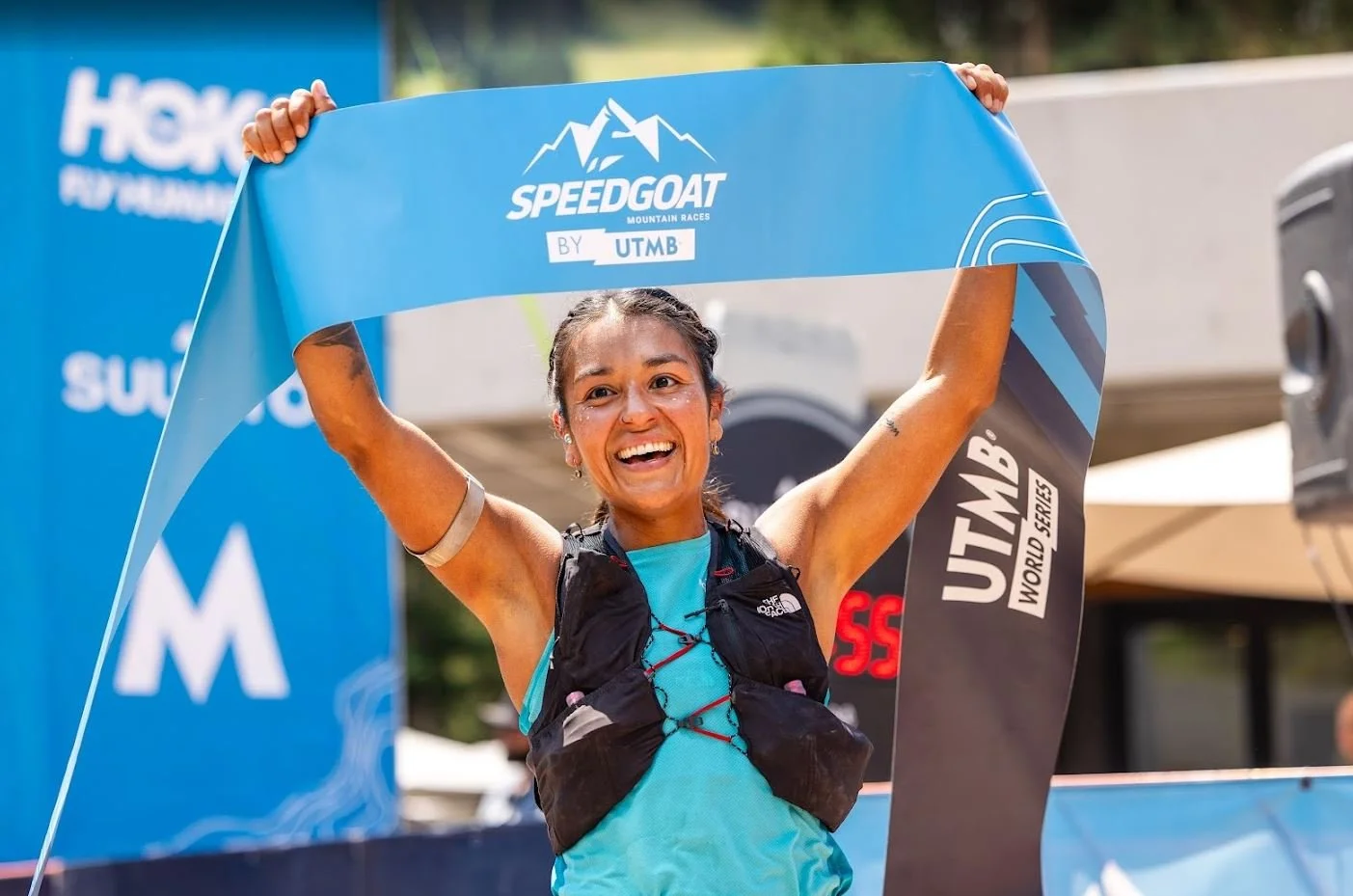
Jennifer Licther UTMB
From Contender To Benchmark
Western States changes Bouillard's position within the sport.
Ahead of UTMB 2024, he was viewed as an outsider. After winning in Chamonix, he became the defending champion, but questions remained over whether he could repeat that level against another world-class field.
Winning Western States doesn't automatically make him the best trail runner in the world, but it fundamentally changes the discussion.
He has now won the sport's two most prestigious 100-mile races on vastly different terrain. Very few active runners can point to a comparable achievement.
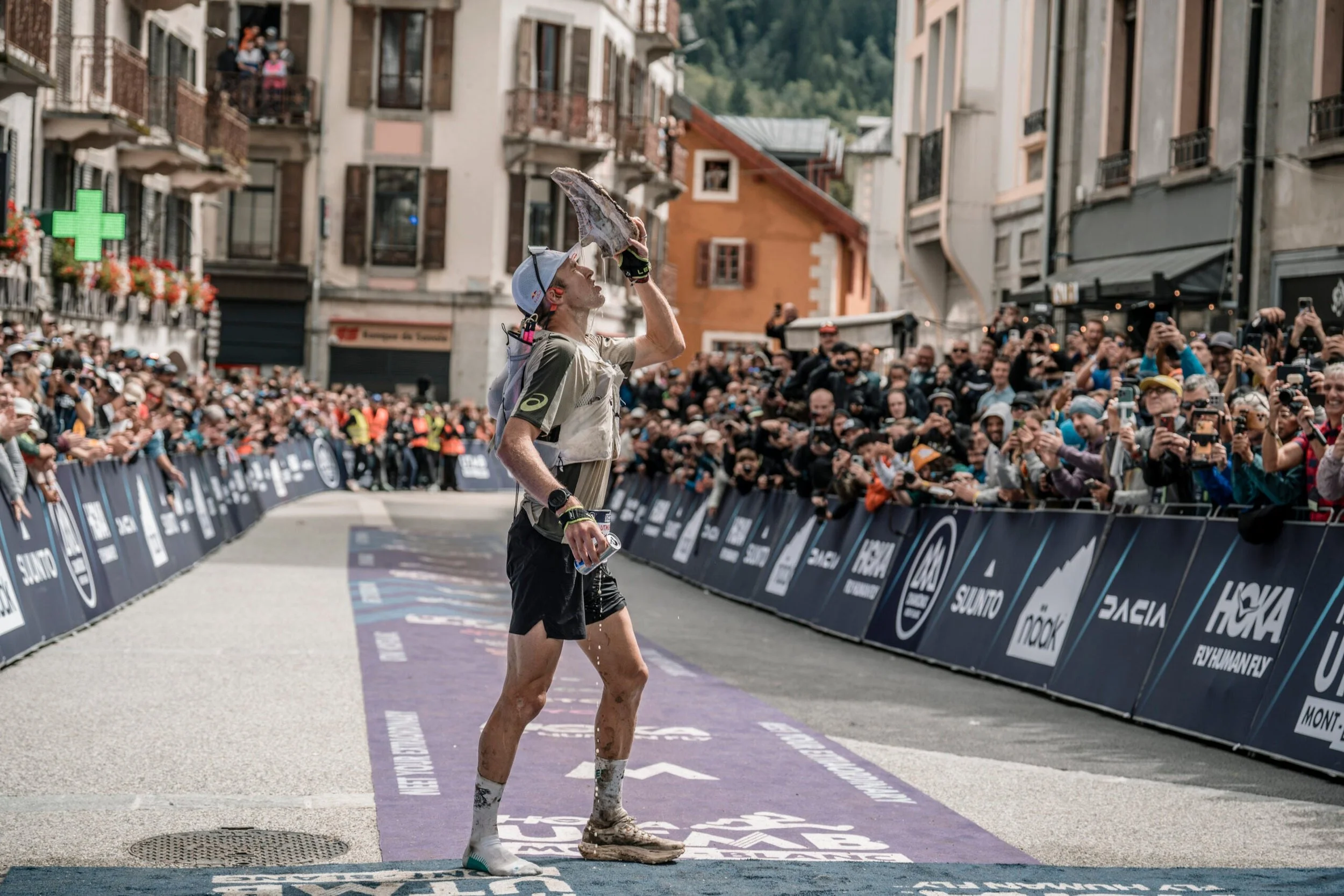
Defending champion Tom Evans, UTMB
Attention now turns back to Chamonix.
Western States has changed the conversation around Bouillard ahead of UTMB.
Rather than being viewed as the runner who surprised the sport in 2024, he returns having added another of trail running's most prestigious victories to his résumé.
That doesn't make him the favourite. UTMB remains the deepest field in the sport, and predicting the outcome months in advance has rarely been a successful exercise.
What has changed is the context. Bouillard is no longer defined by a single breakthrough result. He is now one of the few active athletes to have won both UTMB and Western States—an achievement that places him in rare company.