Stian Dahl Sommerseth Is Having a Moment
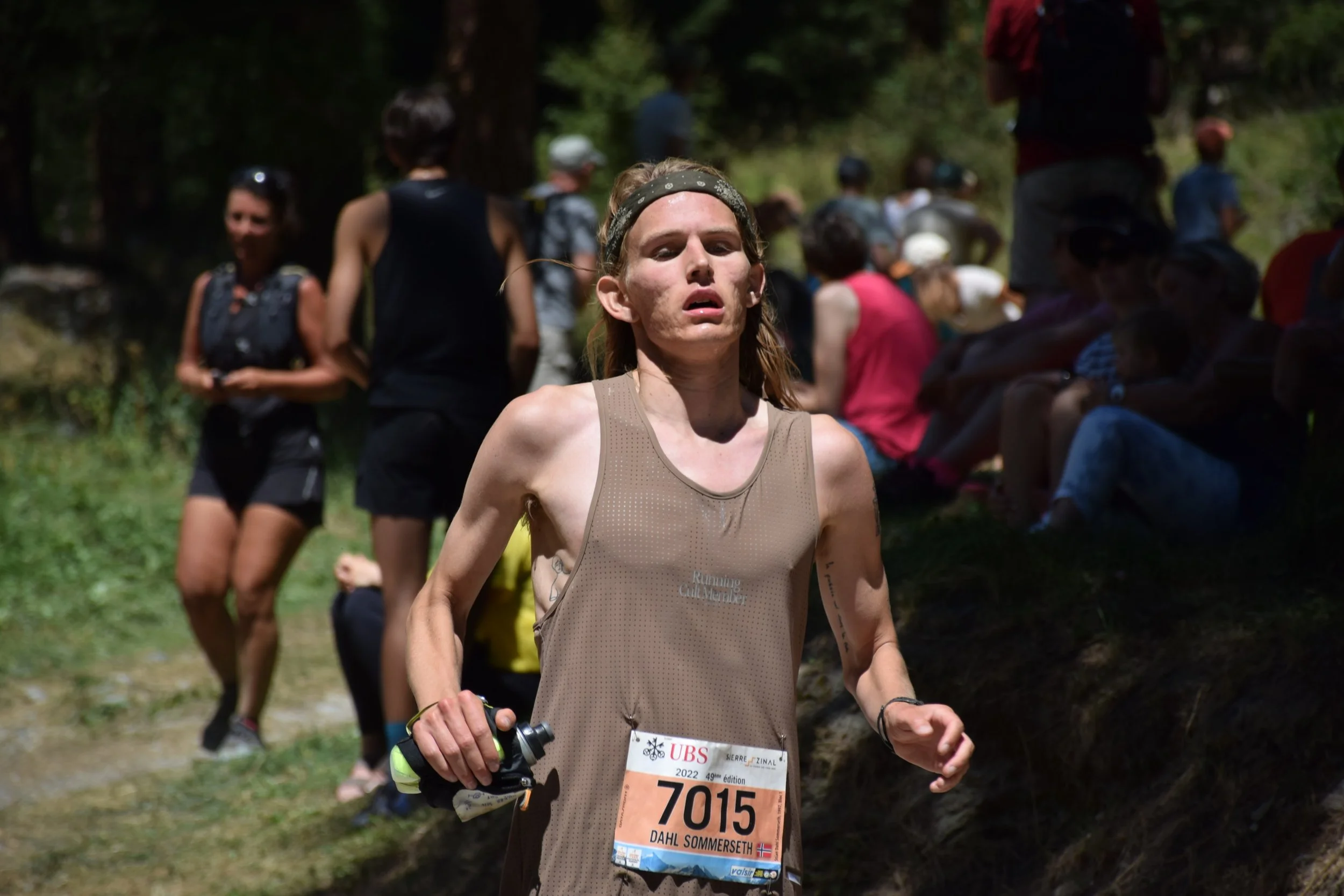
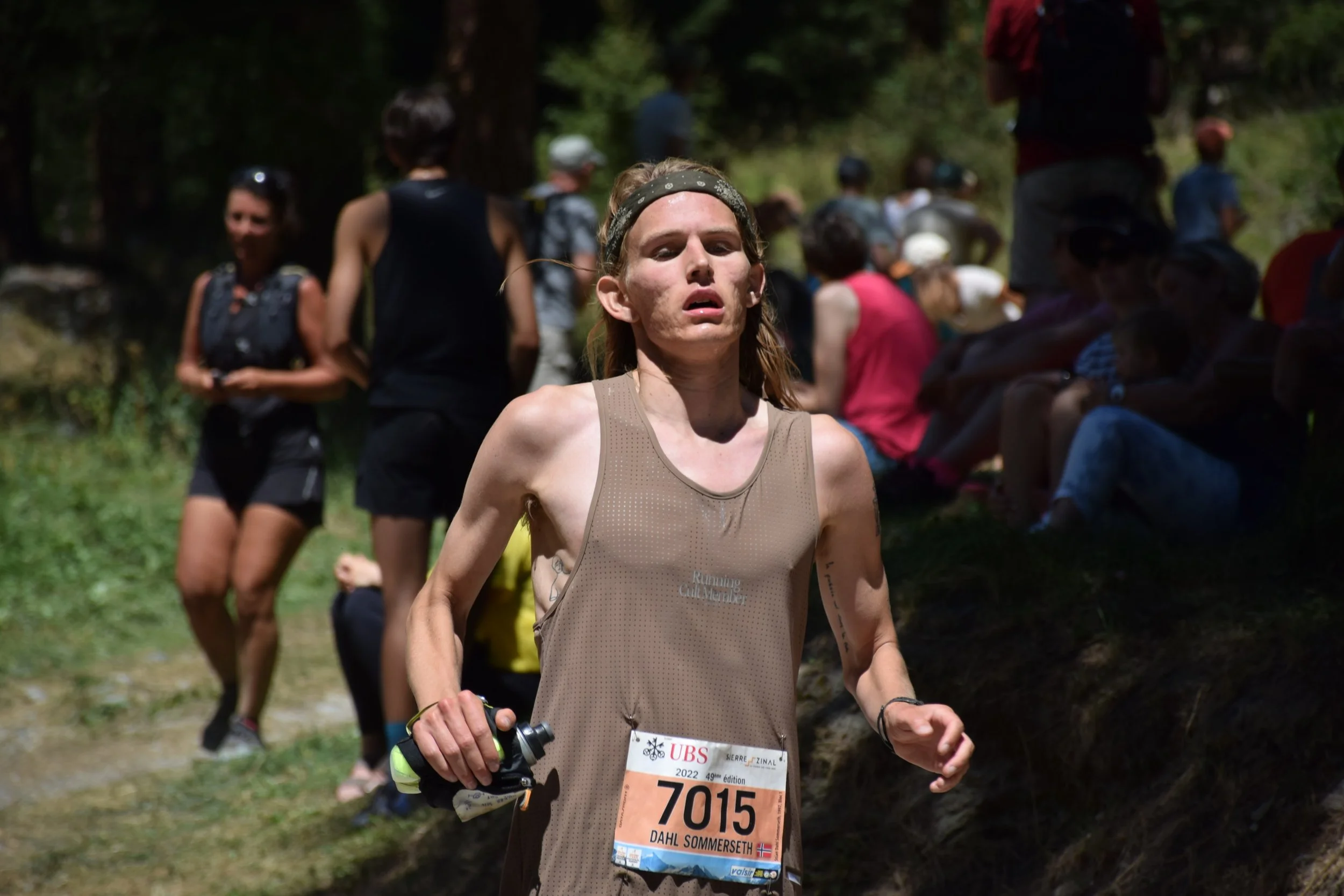
Stian Dahl Sommerseth - Wikimedia.org
The Norwegian has been winning trail races for years. His victory at Eiger Ultra Trail suggests the rest of the trail-running world might finally be catching up.
Stian Dahl Sommerseth's victory at the 2026 Eiger Ultra Trail 100K was impressive on its own.
The Norwegian covered the 100.8-kilometre course, with more than 6,300 metres of climbing, in 11:44:03, finishing ahead of Germany's Manuel Hartweg and Switzerland's Maxime Pellouchoud.
But treating Eiger as Sommerseth's breakthrough would miss a larger part of the story.
This wasn't a runner suddenly arriving from nowhere. Sommerseth has been building a résumé across European trail running for several seasons, including previous victories within the UTMB World Series and success at Eiger itself.
The difference now is the scale.
Winning a competitive 100K in the Swiss Alps puts his name into a different conversation.
Eiger was familiar territory
Sommerseth already knew how to win at Eiger.
Back in 2023, he finished second at the E35 North Face Trail, covering 37.2 kilometres and 2,450 metres of elevation in 3:26:26. Two years later, he returned and went one better, winning the 33K race in 2:57:57.
His progression at Eiger now has a clear trajectory: second in the shorter race, then first, followed by victory over 100 kilometres.
That's a significant jump in distance and complexity.
The 2026 result wasn't simply another good performance on familiar terrain. It showed that Sommerseth's speed and technical ability can translate into a much longer alpine race, where climbing efficiency, nutrition and durability become increasingly important.
And the evidence that he was capable of making that transition was already there.
The wins came before the breakthrough
Sommerseth's international results stretch further back than Eiger.
In 2023, he won the 57.3K Seventh Seal at Kullamannen by UTMB, adding an early UTMB World Series victory to his résumé. That same year, he also won the 59.2K Ultrabirken.
In 2024, he finished third at the 51.5K Marathon Trail at KAT100 by UTMB and 12th at Lavaredo's 50K, before taking 31st at CCC.
Then came another step forward in 2025.
Sommerseth won Eiger's 33K race and later finished 18th at CCC, improving significantly on his result from the previous year.
That progression matters.
CCC remains one of the deepest 100K-level races in trail running. Moving from 31st to 18th in consecutive appearances suggested that Sommerseth was becoming increasingly competitive as the distance increased.
His 2026 Eiger victory now gives that trajectory a much clearer shape.
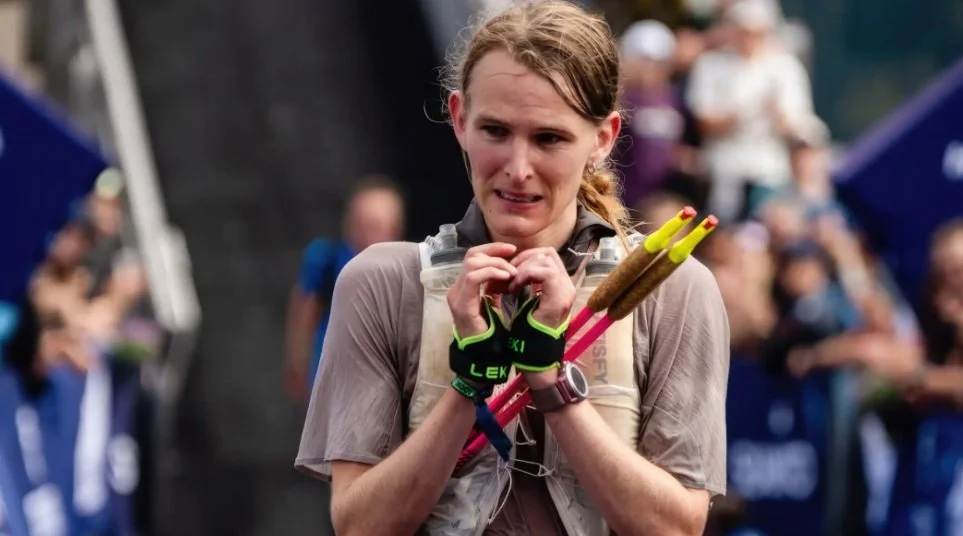
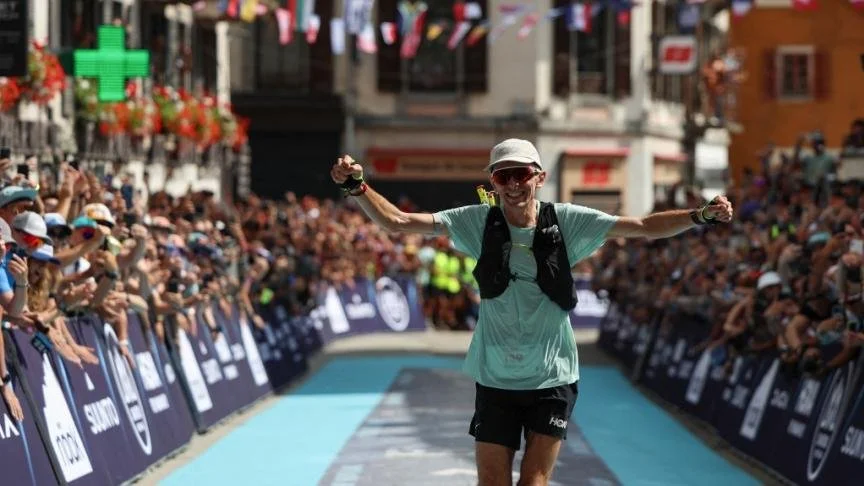
Photo : Eiger Ultra Trail
From 50K speed to 100K strength
There is an interesting versatility to Sommerseth's results.
Much of his earlier success came around the 50K category. Those races reward climbing ability and technical speed, but they still allow athletes to race with an intensity that becomes difficult to sustain once distances move toward 80 or 100 kilometres.
At Eiger, Sommerseth had to prove something different.
The 100K course demanded more than eleven hours of racing across serious alpine terrain. He wasn't simply extending his 50K performance by a few hours; he was competing in a fundamentally different type of race.
That makes the result particularly relevant when looking at where his career could go next.
Sommerseth now has proven results across shorter mountain races, 50K events and the 100K category. At 100K, the question is no longer whether he can be competitive.
He just won one.
The next test gets more interesting
One race still sits prominently on Sommerseth's recent record: CCC.
His 18th place in 2025 was already a meaningful improvement, but the runner returning to the 100K category after this Eiger performance would arrive with a different profile.
Eiger doesn't automatically make Sommerseth a favourite for every major 100K race. The depth at the biggest events remains substantial, and one victory shouldn't be stretched into more than it is.
But it does change expectations.
He has now demonstrated that he can manage a full alpine 100K and still race well enough to win. Combined with his existing speed over shorter distances, that creates an interesting foundation for future attempts at the most competitive races in the category.
The next time Sommerseth lines up against a deep international 100K field, he won't simply be an emerging Norwegian to watch.
He'll be there as an established race winner.
Part of a deeper Norwegian wave
Sommerseth's progression is also happening at an interesting moment for Norwegian trail running. A growing group of athletes is beginning to produce significant results across some of Europe's most competitive mountain races.
Mari Wetterhus finished second in the women's race at Mozart 100 by UTMB's 72K in 2026. Fredrik Toreli has been particularly impressive over the longer distances, winning the 85K at Puglia by UTMB in 2025 and also taking victory at the 48K Stranda Fjord Trail Race. Ida Amalie Robsahm won the women's race at Chianti Marathon Trail this year, finished fourth at Zegama-Aizkorri and then took second at the 42K du Mont-Blanc.
Anders Haga has emerged as another name to follow at the shorter mountain distances, with third at UTS 50K this year after victories and podium finishes at races including Stranda, Verbier and Ørsta. At the longer end of the spectrum, Morten Antonsen won the 80K at Trail 100 Andorra in 2025 and has since recorded top-10 finishes at Transgrancanaria, Oh Meu Deus 100K and the 90K du Mont-Blanc.
The results cover everything from fast mountain marathons to demanding 100K races, which is perhaps what makes the current Norwegian group particularly interesting.
Norway has, of course, already produced some of the sport's biggest international names. But there appears to be greater depth developing behind them.
Sommerseth's Eiger victory is one of the clearest recent examples. Look further down the results sheets across Europe, though, and the broader trend becomes difficult to ignore.
Norwegian runners are appearing near the front of major international trail races with growing regularity.
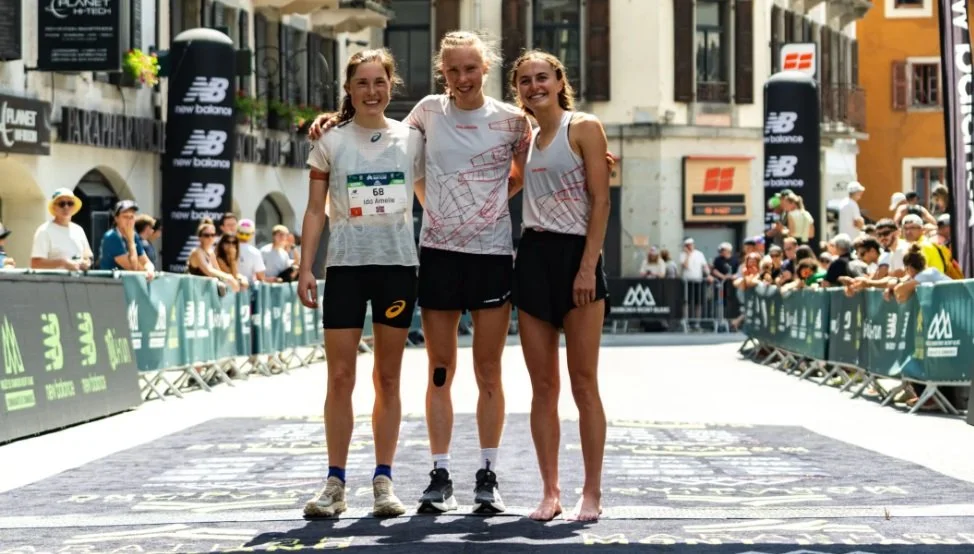
Ida Amalie Robsham - Mont Blanc Marathon
Sommerseth's trajectory is pointing up
Perhaps the most interesting thing about Sommerseth right now is that Eiger doesn't look like an isolated result.
The progression is visible.
He went from second to first at Eiger's shorter distance. From 31st to 18th at CCC. From winning 50K-category races to winning a major alpine 100K.
At Stian Dahl Sommerseth's current rate of development, the question heading into his next major international start is no longer whether he belongs at this level.
It's how much further he can move up.