Why District Vision Has Become One of Running's Most Influential Brands

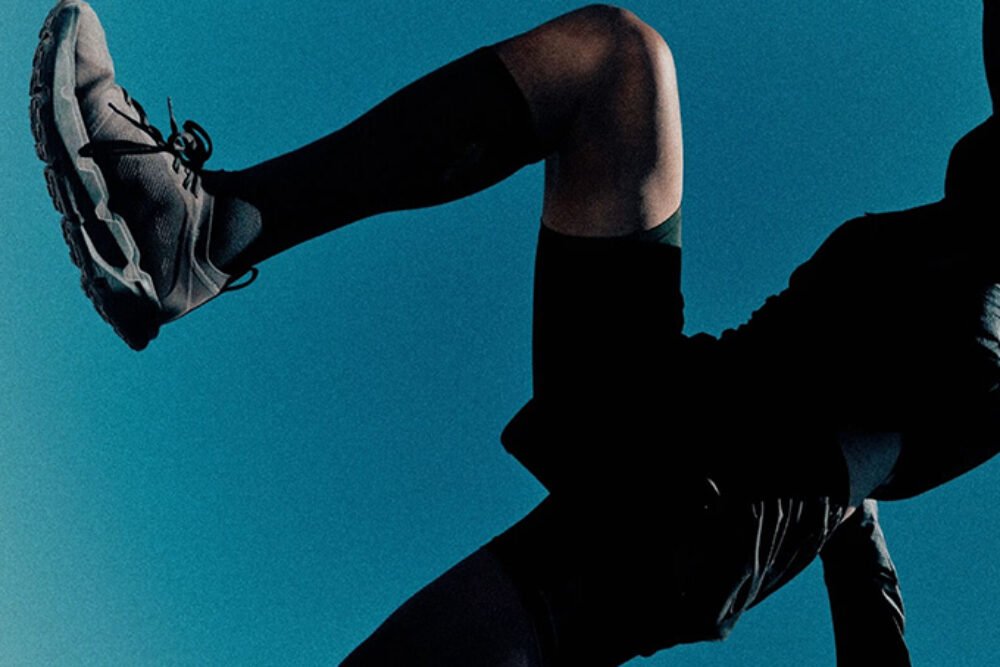
Photo : Jorge Balarezo
For years, performance was enough.
Running brands competed on foam compounds, weight, stack height and race results. Marketing revolved around podium finishes, world records and the latest innovation promising free speed.
District Vision took a different route.
Rather than asking how to make runners faster, the Los Angeles-based brand asked a broader question: What should a running brand represent?
That distinction has helped District Vision become one of the most influential names in premium running, despite producing only a fraction of the products released by larger competitors.
Running Through A Different Lens
District Vision was founded in 2016 by Tom Daly and Max Vallot, initially focusing on performance eyewear.
Their first products weren't designed around fashion. They were built around function, using Japanese manufacturing and extensive testing with athletes to create sunglasses capable of handling long days on the road and trail.
But the founders never intended to stop at eyewear.
Running, in their view, wasn't simply another sport. It was a daily practice that combined movement, creativity and mental wellbeing.
That philosophy continues to shape every collection the brand releases.



remium Products, Deliberate Releases
District Vision's catalogue remains relatively small compared to brands like Salomon, Nike or The North Face.
Instead of releasing multiple collections every season, the company focuses on a handful of premium products across eyewear, apparel and accessories.
Its Koharu and Junya Racer sunglasses remain the centrepiece of the brand, featuring hand-finished Japanese frames, shatter-resistant lenses from D+ and lightweight construction designed for long training days. Prices typically start around $300, placing them firmly in the premium category.
The apparel follows the same philosophy.
Technical T-shirts use lightweight mesh constructions and Italian-made fabrics designed for high-output efforts in warm conditions. Shorts are cut with long-distance comfort in mind, featuring integrated storage, bonded seams and minimalist branding. Rather than relying on oversized logos or bright graphics, the emphasis is placed on fit, fabric and durability.
More recently, District Vision has expanded into outerwear, insulated layers and footwear collaborations, most notably with New Balance, bringing its understated design language to a wider audience.
The result isn't a large catalogue.
It's a tightly edited collection aimed at runners who prioritise quality over quantity.




Performance Without Looking Like Performance
Perhaps District Vision's biggest contribution is changing how performance apparel looks.
For years, technical running gear often prioritised visibility over versatility. Bright colours, oversized logos and aggressive graphics dominated the category.
District Vision moved in the opposite direction.
Its collections borrow as much inspiration from architecture, contemporary design and outdoor culture as they do from traditional sportswear.
That approach has attracted a wider audience than dedicated runners alone.
It's increasingly common to see District Vision worn by creatives, photographers, designers and outdoor enthusiasts who appreciate technical clothing but have little interest in race-day marketing.
A Growing Influence Beyond Running
District Vision's impact extends beyond its own collections.
The rise of brands such as Satisfy, Norda, SOAR Running and even the more design-focused direction of established companies reflects a broader shift within endurance sports.
Performance remains essential.
But increasingly, runners are looking for brands that communicate an identity as much as a specification sheet.
District Vision has been ahead of that curve for years.
Collaborations with New Balance, premium optical collections and a carefully controlled retail presence have reinforced its position as one of the most distinctive voices in the category.
Why It Matters
District Vision isn't trying to become the biggest running brand in the world.
It doesn't sponsor the largest roster of elite athletes, nor does it release a new product every month.
Instead, it has built something arguably more valuable: a clear point of view.
In an increasingly crowded market, that clarity has become one of the brand's greatest strengths.
For runners, the appeal isn't simply the sunglasses or the apparel.
It's the idea that running can exist beyond competition—that it can be part of a broader lifestyle centred around movement, design and long-term wellbeing.
Whether that philosophy represents the future of running culture remains to be seen.
What is clear is that District Vision has already influenced how the industry thinks about performance, aesthetics and the role a modern running brand can play.